06.10.2026
Pääkirjoitus
06.10.2026
Pääkirjoitus
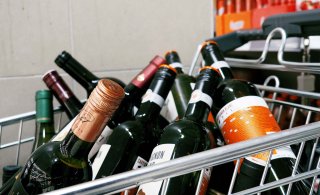
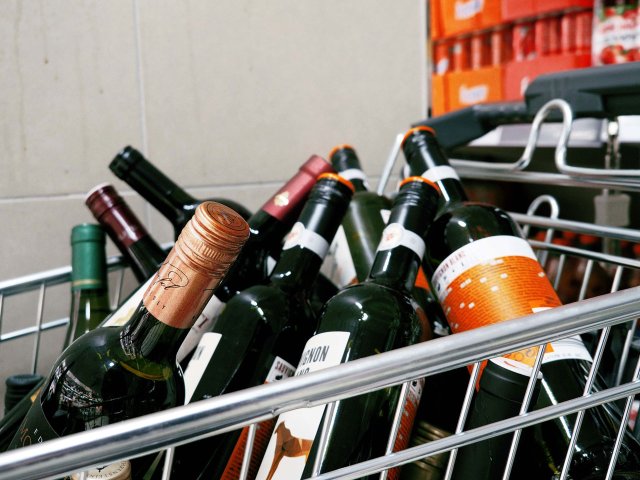
On 15 September, the Ministry of Finance confirmed new data on travellers' alcohol imports and online purchases from abroad. The amount of alcohol purchased from abroad increased significantly when the survey on imports was switched from telephone interviews to an online panel. With the latter, consumers find it easier to report honestly how much alcohol they have purchased from abroad than they do in a telephone interview.
Based on the new data, Visitory Oy has calculated how alcohol consumption is distributed in Finland. Travellers' imports account for 20.1 per cent, online purchases from abroad for 11.1 per cent, and on-premise sales for 8.6 per cent of total consumption. Visitory Oy has also made an estimate of how much tax revenue the Finnish state loses as a result of travellers' imports and online purchases from abroad: the loss in VAT and excise duty on alcoholic beverages alone amounts to approximately €954 million per year. The calculation does not take into account, for example, lost income tax revenue.
In the case of distance selling to Finland by foreign online retailers, the seller should remit VAT and excise duty on alcoholic beverages to the Finnish state. According to a statement given by the Finnish Tax Administration to Parliament, tax is paid on only one per cent of purchases.
This means that no tax at all is paid to Finland on 30 per cent of the alcohol consumed in the country. The remaining 70 per cent is then among the most heavily taxed in the EU. Even the Finnish Institute for Health and Welfare (THL) has stated that there is no longer room to increase the excise duty on alcoholic beverages.
Despite these figures, the government is proposing a further increase in the excise duty on alcoholic beverages next year, on top of the index-adjusted tax rates. This makes no sense whatsoever, even from the perspective of public finances.
Regardless of their political colour, successive governments have raised alcohol taxes. The excise duty on alcoholic beverages has been increased 11 times since 2008. The government also raised the VAT rate applicable to alcohol sales and on-premise consumption from 24 per cent to 25.5 per cent in autumn 2025.
Because Finland has by far the highest alcohol taxation in the EU, and particularly because of the high level of taxation on on-premise consumption, Finland is losing a huge amount of tax revenue. Domestic tourism is being replaced by trips to the Baltic countries and entertainment cruises. In addition, employment in Finland's alcohol-related business sectors is declining.
The shift of alcohol sales away from restaurants towards foreign purchasing channels has a huge impact on the profitability of restaurants. As recently as the beginning of the millennium, alcohol sales accounted for 50 per cent of total restaurant sales. Today, the figure is only 27 per cent. Over the same period, the share of on-premise consumption in total alcohol consumption has fallen from 21 per cent to 8.6 per cent.
The government formed after the parliamentary elections must reduce the VAT on on-premise consumption to the same level as VAT on restaurant food, namely 13.5 per cent. This would stimulate demand for restaurant services, increase employment and domestic tourism, and, in the longer term, also safeguard tax revenues.
The only question now is whether the next government will have the courage to acknowledge the facts and draw the right conclusions from them.